What Does a Whole-Home Surge Protector Actually Do?
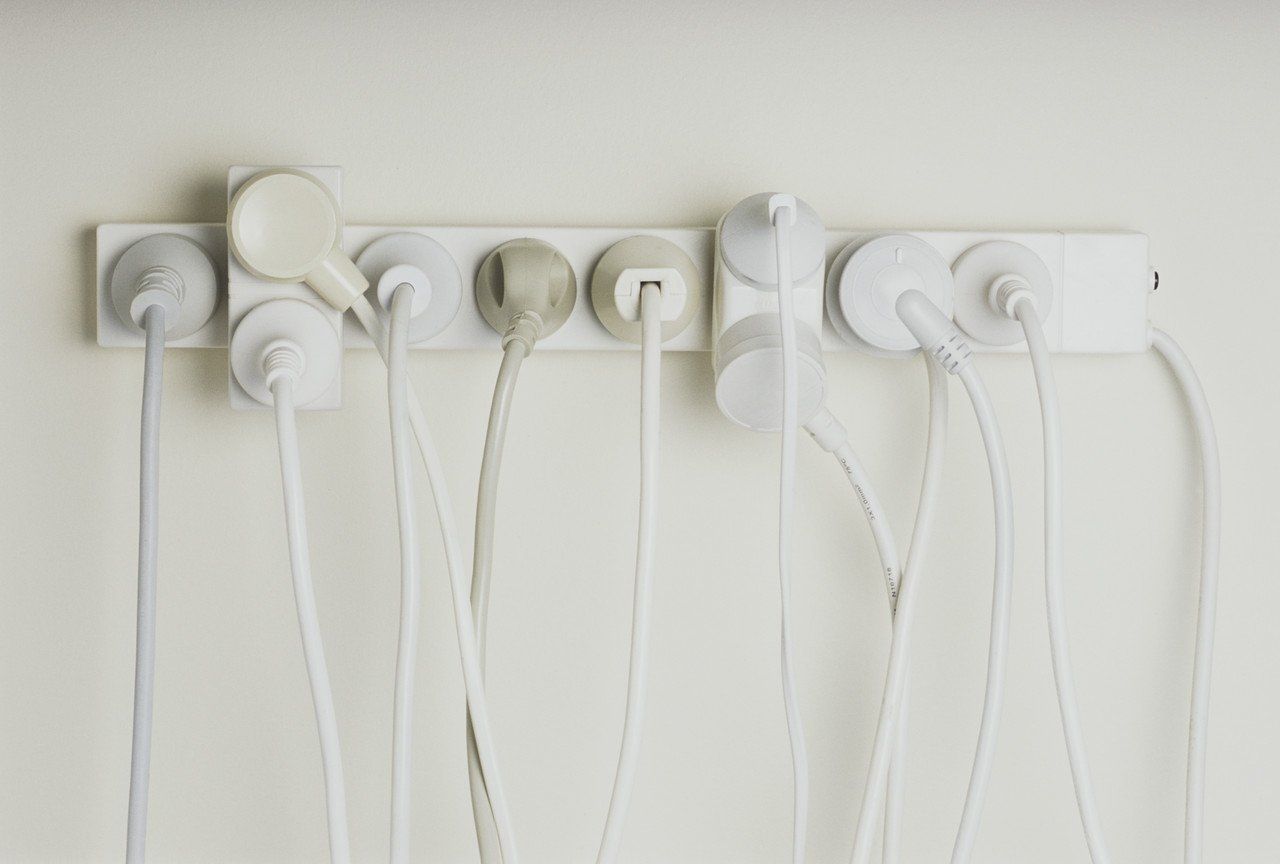
Storm season in Metro Atlanta has a way of reminding homeowners how much we rely on power.
A lot of people think about surge protection only after something goes wrong. Maybe a storm rolls through, the lights flicker, and the TV never turns back on. Or maybe the damage does not come through the TV at all. It comes through the electrical system, through the panel, and into the things your home runs on every day.
That is where whole-home surge protection comes in.
Most homeowners have heard of a power strip. You may have one behind the TV, under a desk, or next to a gaming setup. But a power strip is not the same thing as a whole home surge protector installed at your electrical panel. A whole-home surge protector helps defend your home’s electrical system from damaging voltage spikes before they travel deeper into your circuits, appliances, chargers, and electronics.
And today, that matters more than ever.
Between kitchen appliances, HVAC equipment, smart devices, home offices, security systems, and EV chargers, modern homes are carrying more sensitive electrical equipment than many older homes were ever built to support.
What Is a Whole-Home Surge Protector?
A whole-home surge protector, also called a panel surge protector or surge protector for an electrical panel, is a device installed at or near your main electrical panel.
Its job is simple: when a sudden voltage spike enters your home’s electrical system, the surge protector helps redirect or limit that excess voltage so it is less likely to damage the equipment connected throughout your home.
Think of it like a first line of defense for your electrical system.
Instead of only protecting one outlet or one device, whole-home surge protection helps protect the circuits connected to your panel. That means it can help defend more than your TV and computer. It can also help protect major appliances and hardwired systems that cannot be plugged into a small surge strip.
Whole-home surge protective devices are commonly installed at the load center or electrical panel, and manufacturers note that this type of setup can help protect connected household equipment, including appliances and electronics.
What Causes Power Surges?
A power surge is a sudden spike in voltage. Sometimes it is dramatic. Sometimes it is small enough that you never notice it happening.
Common causes include:
- Lightning and severe storms
- Utility grid switching
- Power returning after an outage
- Large appliances cycling on and off
- HVAC equipment starting up
- Faults or disruptions in the electrical system
- Generator transfer events
- Equipment inside the home creating smaller internal surges
In Atlanta and across Metro Atlanta, storm season makes surge protection especially important. But storms are not the only reason surges happen. Some surges come from outside the home. Others can start inside the home when high-demand equipment turns on and off.
That is why surge protection is not just a “storm prep” item. It is a year-round electrical safety and protection upgrade.
What Does a Whole-Home Surge Protector Actually Protect?
A whole-home surge protector helps defend your entire home electrical system from damaging voltage spikes.
That can include:
- Refrigerators
- Ovens and ranges
- Dishwashers
- Washers and dryers
- HVAC systems
- Smart thermostats
- TVs and entertainment systems
- Computers and home office equipment
- Wi-Fi routers and security systems
- Garage door openers
- Lighting controls
- EV chargers
- Other connected appliances and electronics
This is one of the biggest reasons homeowners choose home surge protection at the panel. Plug-in surge strips can be helpful for certain electronics, but they do not protect everything.
Your refrigerator is not plugged into a desk surge strip. Your HVAC system is not sitting behind a power strip. Your EV charger is not protected by the strip behind your TV.
A whole-home surge protector helps cover the systems that standard plug-in protection cannot.
Why EV Chargers Make Surge Protection More Important
EV chargers are one of the biggest changes happening in residential electrical systems.
When you install an EV charger at home, you are adding a high-value electrical device that connects directly into your electrical system. That charger is responsible for safely powering one of the most expensive pieces of equipment you own: your vehicle.
A properly installed whole-home surge protector can help defend the electrical panel, EV charger, and other home systems from voltage spikes. It does not replace a safe EV charger installation, and it does not fix an overloaded panel, but it can be a smart layer of protection.
If you are planning an EV charger installation in Atlanta, Kennesaw, Marietta, Roswell, Sandy Springs, Woodstock, or elsewhere in Metro Atlanta, surge protection is worth discussing during the electrical assessment.
At Ampt Electric, we look at the full picture: your panel, your load needs, your charger location, your grounding, and the long-term safety of your home’s electrical setup.
Whole-Home Surge Protection vs. Power Strips
Here is the simple difference.
A power strip gives you more outlets. Some power strips include surge protection. Some do not.
That is why the myth “all power strips protect against surges” can get homeowners into trouble.
A surge protector for an electrical panel is different. It is installed at the panel and helps protect the home electrical system from voltage spikes before they spread through the house.
Power strips can still be useful for sensitive electronics like computers, TVs, and gaming systems. But they should be seen as a second layer of protection, not the whole plan.
A strong setup often includes both:
- Whole-home surge protection at the electrical panel
- Point-of-use surge protection for extra-sensitive electronics
That layered approach gives your home better coverage than relying on one power strip behind the TV.
What a Whole-Home Surge Protector Does Not Do
This part matters.
A whole-home surge protector is helpful, but it is not magic. It reduces risk. It does not guarantee that nothing will ever be damaged.
A whole-home surge protector does not:
- Stop a direct lightning strike from causing damage
- Replace proper grounding and bonding
- Fix faulty wiring
- Prevent overloaded circuits
- Replace circuit breakers
- Act like a backup generator
- Keep power on during an outage
- Protect low-voltage lines unless those systems are also properly protected
- Eliminate the need for point-of-use protection on sensitive electronics
If a breaker keeps tripping, lights are flickering, outlets feel warm, or your panel is outdated, surge protection alone is not the answer. Those signs can point to bigger electrical issues that need attention.
Small signs can tell you a lot. If something feels off, it is worth getting checked out.
Does a Whole-Home Surge Protector Protect Against Lightning?
It can help reduce damage from surge energy related to storms, but no surge protector can promise complete protection from a direct lightning strike.
Lightning is powerful and unpredictable. A whole-home surge protector is designed to help manage voltage spikes entering through the electrical system, but a direct strike can overwhelm even a strong system.
That does not mean surge protection is not worth it. It means homeowners should understand what it is designed to do: reduce risk, defend connected equipment, and add an important layer of protection to the home electrical system.
For Atlanta homeowners, where storms and power interruptions are part of life, that added layer can make a real difference.
Is Whole-Home Surge Protection Required?
The National Electrical Code introduced requirements for surge protection for dwelling unit services in the 2020 NEC, with surge protective devices installed as part of or immediately adjacent to service equipment in applicable residential situations.
Code requirements can vary based on your location, project type, panel work, and local adoption, so the safest answer is this: ask a licensed electrician to evaluate your specific home and electrical panel.
At Ampt Electric, we can look at your current panel, explain your options, and help determine whether a panel surge protector makes sense for your home, upgrade, EV charger installation, or generator-ready setup.
Signs Your Atlanta Home May Benefit From Surge Protection
Whole-home surge protection can be a smart upgrade for many homes, especially if:
- You have frequent storms or power flickers
- Your home has expensive appliances or smart home systems
- You work from home and rely on computers or internet equipment
- You have or plan to install an EV charger
- You have a newer HVAC system or high-efficiency appliances
- Your home has experienced past surge damage
- You are upgrading or replacing your electrical panel
- You want better protection before storm season
It is also worth considering if your home is older. Older homes were not built for the way we use power today. Between kitchen appliances, home offices, EVs, bigger TVs, and smart devices in almost every room, many older systems are carrying more than they were originally designed for.
Why Professional Installation Matters
A whole-home surge protector needs to be installed correctly at the panel. This is not a DIY project.
Professional installation matters because your electrician needs to evaluate:
- Panel condition
- Available breaker space
- Proper device type
- Grounding and bonding
- Installation location
- Manufacturer specifications
- Local code requirements
- The overall safety of the electrical system
Surge protection works best when it is part of a safe, properly maintained electrical system. If the panel is outdated, damaged, overcrowded, or not properly grounded, those issues should be addressed.
Good electrical work should be safe, functional, and done with care.
Should You Still Use Plug-In Surge Protectors?
Yes, in many cases.
A whole-home surge protector helps protect your electrical system at the panel, but plug-in surge protectors can still add another layer for sensitive devices.
Consider using quality point-of-use surge protection for:
- Desktop computers
- Gaming systems
- TVs
- Audio equipment
- Modems and routers
- Home office setups
- Sensitive electronics
Just make sure what you are using is actually rated for surge protection. Remember, not every power strip is a surge protector.
Whole-Home Surge Protection in Atlanta: A Smart Storm Season Upgrade
Storm season is here in Metro Atlanta, and a little prep now can save a lot of stress later.
Whole-home surge protection is one of those upgrades homeowners often do not think about until after something fails. But by then, the refrigerator, EV charger, HVAC board, computer, or smart appliance may already be damaged.
A panel surge protector helps protect the things your home runs on every day.
It is not just about TVs and computers anymore. It is about the full electrical system.
If you are thinking about a panel upgrade, EV charger installation, generator setup, or general electrical safety improvements, now is a good time to talk about surge protection too.
Call Ampt Electric for Whole-Home Surge Protection in Metro Atlanta
At Ampt Electric, we help homeowners across Atlanta and Metro Atlanta make smart, safe electrical upgrades that fit the way they live today.
Whether you are preparing for storm season, protecting a new EV charger, upgrading an older panel, or simply looking for better peace of mind, our team can help you understand your options.
If your home could use better electrical protection, let’s talk.
Contact Ampt Electric today to schedule a whole-home surge protection consultation in Atlanta or Metro Atlanta.